
At Hahn Family Chiropractic, chiropractic adjustments form the core of our approach to restoring health, mobility, and optimal nervous system function. When spinal bones (vertebrae) lose their proper alignment or motion—a condition known as subluxation—they put pressure on surrounding nerves, leading to pain, stiffness, and systemic dysfunction.
Dr. Hahn provides precise, tailored adjustments designed to relieve nerve tension, improve spinal biomechanics, and empower your body to heal naturally without reliance on drugs or invasive procedures.
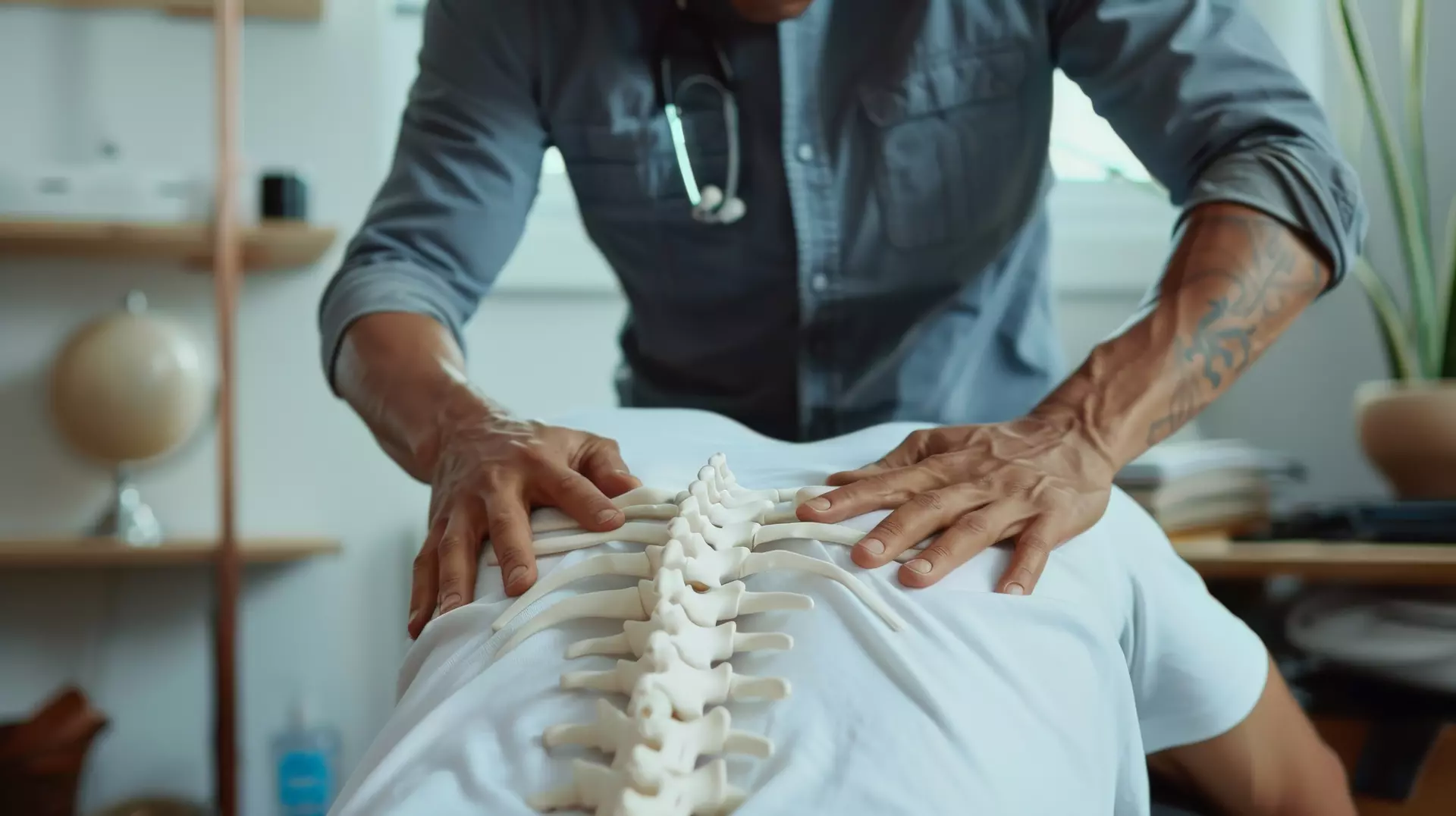
Chiropractic Techniques Offered at Our Raleigh Clinic
Because every spine and patient is unique, Dr. Hahn utilizes a diverse toolkit of gentle, time-tested adjusting methods:
- Tonal Chiropractic Care: Focuses on the overall tone and stress levels held within the central nervous system and spinal cord.
- Diversified Technique: Traditional manual adjusting to restore full motion and proper alignment to spinal joints.
- Thompson Drop-Table Technique: Uses a specialized segmented table that drops slightly during an adjustment for effective, low-force realignment.
- Activator Methods®: Instrument-assisted adjustments providing light, rapid, and controlled impulses.
- Flexion-Distraction Therapy: Hands-on table traction designed to relieve disc pressure and lumbar strain.
What to Expect During Your Adjustment
- Comprehensive Assessment: We evaluate your posture, spinal motion, and areas of nerve tension.
- Targeted Realignment: Dr. Hahn applies a swift, gentle force or instrument pulse to the specific joints requiring correction.
- Immediate Relief & Function: Most patients experience increased range of motion and decreased muscular tension immediately following care.
Frequently Asked Questions
What is the popping noise heard during an adjustment?
The sound is simply the release of gas bubbles (nitrogen and oxygen) trapped within joint fluid when joint pressure changes during correction. It is harmless and painless.
Are chiropractic adjustments safe?
Yes. Chiropractic adjustments are non-invasive and widely recognized as one of the safest conservative treatments for spinal joint pain and back dysfunction.